Challenges and Opportunities in the Textile Industry: A Sector in Full Transformation
Few industries are evolving as quickly—and as unpredictably—as textiles. As global competition reshapes production models and sustainability becomes non-negotiable, companies are asking the same question: What are the real challenges …
Few industries are evolving as quickly—and as unpredictably—as textiles. As global competition reshapes production models and sustainability becomes non-negotiable, companies are asking the same question: What are the real challenges facing the textile industry today, and what opportunities are emerging for those willing to innovate?
The answer is neither simple nor pessimistic. Yes, the sector is under pressure. But it is also entering one of the most promising stages in decades.
A New Competitive Landscape
The textile ecosystem has expanded dramatically. More countries are entering the race, offering competitive pricing and faster turnarounds. For manufacturers, this means the old model of operating “good enough” is no longer an option. Companies must now reinvent themselves through efficiency, traceability, and technological integration.
Environmental responsibility adds another layer of complexity. Water consumption, energy usage, chemical management, and emissions are now strategic priorities that influence both consumer behavior and regulatory pressure.

Production Bottlenecks That Still Slow the Industry Down
One of the most persistent obstacles is the fragmentation of the textile production chain. Raw material procurement, dyeing, finishing, quality control, inventory management, and shipping often operate in silos. When systems don’t talk to one another, the result is predictable: delays, extra costs, reprocessing, and a noticeable loss of productivity.
Resource management is another critical pain point. Without reliable data on energy usage, water consumption, or chemical dosing, companies struggle to control costs and reduce environmental impact—two goals that are now vital for competitiveness.
Digital disconnection remains equally damaging. Many factories still rely on outdated systems or manual procedures that make it impossible to maintain real-time visibility of stock, production status, or customer orders. In a sector where margins and deadlines are tight, that lack of visibility is simply unsustainable.

Where the Opportunities Lie
Despite these challenges, the textile industry is opening the door to powerful opportunities—especially for those willing to digitalize.
New automation technologies are transforming processes that were historically slow or prone to error. Data-driven decision-making is helping managers anticipate production issues before they escalate. Online commerce has expanded market reach, allowing even small manufacturers to operate globally. And sustainability, once considered a burden, has become a key driver of innovation and brand differentiation.
In short: the textile industry is no longer just about producing fabric. It’s about producing value—efficiently, responsibly, and intelligently.
How Technology Is Solving the Industry’s Main Pain Points
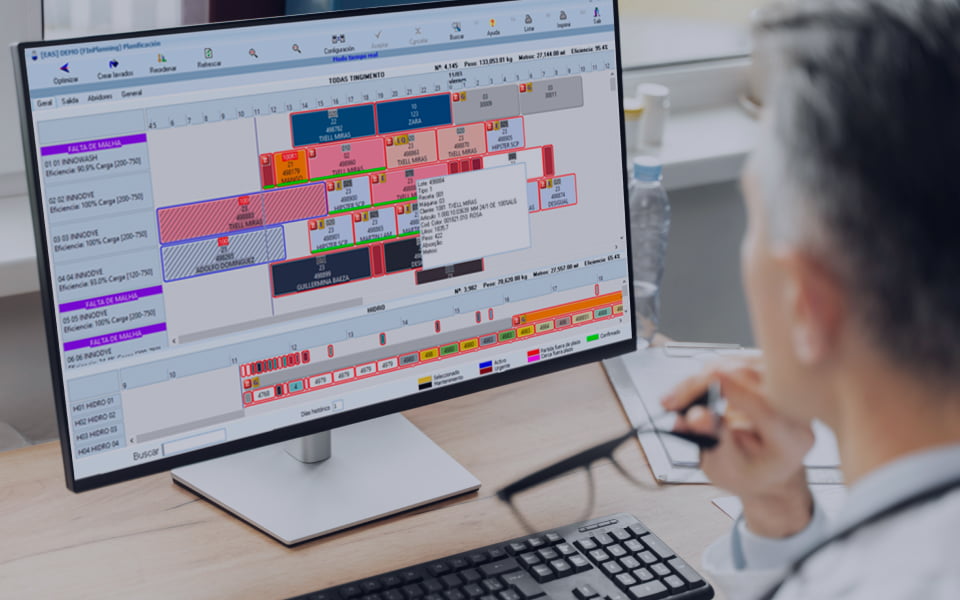
Modern textile companies are increasingly adopting ERP systems designed specifically for textile production. Unlike generic software, these platforms integrate every stage of the process and provide real-time visibility—from fiber to final garment.
A specialized ERP improves coordination across departments, reduces bottlenecks, and enables more strategic resource planning. With accurate consumption data, companies can reduce water and energy usage. And with real-time production tracking, supervisors can adjust schedules, avoid downtime, and ensure better quality output.
The Role of TexDrive in This Digital Shift
TexDrive is designed specifically for dye houses, textile manufacturers, and finishing plants, TexDrive offers:
- a fully integrated operational view
- precise resource tracking
- remote access for modern production needs
- customization to match any textile workflow
Its goal is simple: help companies boost efficiency, reduce costs, and improve the quality of every batch produced. If you are exploring ways to modernize your textile operation or want to understand how digital tools can optimize your production flow, discovering specialized solutions for textile management can be an excellent next step.